
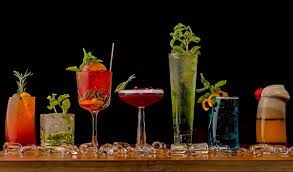
Classic alcoholic beverages—such as wine, whiskey, beer, rum, gin, and traditional cocktails—have remained beloved across centuries, cultures, and generations. Even as new drink trends emerge and the beverage industry constantly evolves with adventurous flavors and modern innovations, these timeless drinks continue to dominate bars, dinner tables, and celebrations worldwide. Their enduring popularity is no coincidence. It is anchored in tradition, craftsmanship, cultural identity, emotional connection, and the universal human desire for shared experiences. By exploring the deeper reasons behind their longevity, we gain insight into why these beverages continue to capture the hearts of millions around the world.
Rooted in History and Heritage
Classic alcoholic beverages are deeply intertwined with human civilization. Their history stretches back thousands of years, giving them a level of legacy and significance that modern drinks cannot easily match.
Wine, for example, has origins that reach back to ancient Mesopotamia and has been part of religious rituals, royal celebrations, and family gatherings ever since. Whiskey, on the other hand, carries the heritage of Scottish and Irish distillation practices, passed down through generations. Beer traces its beginnings to ancient Egypt and Mesopotamia, where early civilizations brewed it as a daily staple.
These drinks have been present through countless cultural transformations, wars, festivals, and social evolutions. Their presence in history makes them more than beverages—they are symbols of tradition, nostalgia, and continuity.
Craftsmanship Passed Down Through Generations
Another key reason classic alcoholic drinks endure is the level of craftsmanship involved in making them. Many traditional beverages require meticulous techniques refined over centuries. Whiskey must be aged for years in oak barrels to achieve depth and character. Wine production involves careful cultivation of grapes, climate management, fermentation, and aging. Traditional beer brewing relies on balancing hops, yeast, barley, and water to create consistent flavors.
This devotion to craftsmanship enhances the drink’s reputation. Consumers know that what they are enjoying is the result of skill, time, and passion. It creates an emotional connection—one that is difficult for trendy or quickly produced beverages to replicate.
Consistency and Familiarity
Classic drinks remain popular because they offer something people value greatly: familiarity. A glass of Chardonnay, a pint of lager, or a pour of bourbon delivers a predictable experience. People know what to expect, and this predictability creates comfort. Familiar drinks become part of personal routines—whether it’s wine during dinner, beer while watching sports, or whiskey enjoyed slowly after a long day.
This consistency also fosters loyalty. Many people inherit drink preferences from their parents or grandparents, continuing traditions that have been part of family life for decades. These beverages become markers of identity and heritage.
Versatility That Stands the Test of Time
Classic alcoholic beverages have another advantage: they are remarkably versatile. Spirits like whiskey, rum, gin, and vodka serve as the foundation for both traditional and modern cocktails. Beer can be enjoyed alone or paired with food. Wine offers endless pairing possibilities and can be suited for casual evenings or formal gatherings.
This adaptability ensures that classic drinks remain relevant even as tastes change. They evolve along with cultural shifts, fitting seamlessly into new contexts without losing their essence.
Emotional and Social Connections
Alcohol has always played a role in bonding people together, and classic drinks are deeply tied to social rituals. Champagne is synonymous with celebration. Beer is associated with friendship and casual gatherings. Whiskey is often linked with reflection, ceremony, and meaningful conversations.
These emotional and social associations give classic drinks a permanence that transcends flavor. They become symbols of relationships and memories. A wedding toast feels incomplete without champagne. A reunion often begins with shared drinks. These rituals reinforce the drinks’ place in society.
Timeless Flavor Profiles
While modern beverages often focus on novelty, classic drinks offer balanced, time-tested flavor profiles. The taste of an oak-aged whiskey, the crispness of a well-crafted beer, or the subtle complexity of a fine wine remain appealing across generations. These flavors have stood the test of time because they are naturally enjoyable and deeply satisfying.
A Blend of Tradition and Evolution
Perhaps the greatest secret behind the enduring popularity of classic alcoholic beverages is their ability to stay relevant while preserving tradition. Producers refine their methods, explore new terroirs, introduce innovative barrel finishes, and create modern cocktail interpretations—all without abandoning the original essence of the drink.
This balance of heritage and innovation keeps classic drinks fresh, exciting, and culturally important.
A Legacy That Continues
The timeless popularity of classic alcoholic beverages is rooted in more than nostalgia. It is shaped by history, craftsmanship, emotional depth, and the universal human need for connection. These drinks tell stories of the past, enhance the present, and remain poised to inspire future generations. As long as people continue to seek authenticity, quality, and meaningful moments, classic alcoholic drinks will always hold a cherished place in global drinking culture.