
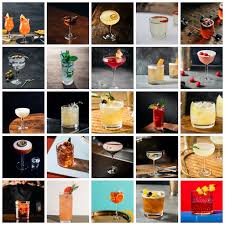
Across continents and cultures, alcoholic beverages play a significant role in social gatherings, culinary traditions, and personal enjoyment. Yet while thousands of drinks exist—ranging from ancient brews to innovative modern cocktails—only a select few capture global popularity. What actually makes an alcoholic drink popular? Is it flavor, accessibility, tradition, marketing, or cultural influence? The truth is that popularity stems from a combination of factors that shape consumer preferences and drinking habits around the world. By exploring these elements, we can understand why certain beverages consistently dominate the global marketplace.
1. Flavor Profiles That Appeal to a Wide Audience
Taste is the foundation of any drink’s popularity. While individual preferences vary greatly, globally successful alcoholic beverages usually share some universal traits:
-
Balanced flavors such as mild sweetness, subtle bitterness, or smooth mouthfeel
-
Approachability, meaning the drink is easy for beginners to enjoy
-
Versatility in pairing with food or mixing into cocktails
For example, beer—especially lagers—achieved worldwide appeal because of its crisp, refreshing taste and mild bitterness. Similarly, vodka’s neutral flavor makes it highly adaptable, allowing it to blend seamlessly into cocktails that suit different palates.
Wines with moderate acidity and approachable fruitiness, such as Merlot or Sauvignon Blanc, are also globally favored. These accessible flavor profiles help drinks reach diverse markets with minimal cultural barriers.
2. Cultural Tradition and Historical Influence
Many of the world’s most popular alcoholic beverages owe their success to tradition. Drinks that have been enjoyed for centuries become embedded in cultural rituals, celebrations, and daily life. Over time, these traditions naturally spread beyond their regions of origin.
Examples include:
-
Wine, long associated with Mediterranean cultures and religious ceremonies
-
Whiskey, rooted in Scottish and Irish heritage, now enjoyed worldwide
-
Sake, part of Japanese ceremonial and dining culture
-
Tequila, tied to Mexican identity and global celebrations
These drinks carry stories, symbolism, and history, making them more meaningful than temporary trends. Consumers often choose beverages that feel authentic and culturally rich.
3. Accessibility and Affordability
A drink cannot become globally popular unless it is widely accessible. Production scale, distribution networks, and affordability play major roles in determining which beverages succeed worldwide.
Beer is a perfect example. Its relatively simple ingredients—water, grains, hops, and yeast—make it inexpensive to produce at scale. This affordability has helped it become the world’s most consumed alcoholic beverage.
Vodka, rum, and whiskey also benefit from large production networks that make them available in nearly every country. The easier a drink is to find and afford, the more likely it is to become a staple.
4. Marketing, Branding, and Global Influence
Marketing has a tremendous impact on shaping global taste preferences. Brands with strong advertising campaigns, partnerships, and cultural influence can elevate a drink’s popularity almost overnight.
Consider:
-
Vodka brands that became symbols of luxury nightlife
-
Champagne associated with celebrations and elite lifestyles
-
Tequila gaining popularity through celebrity endorsements
-
Craft beers rising due to branding focused on authenticity and creativity
Strategic branding influences how consumers perceive quality, taste, and status. A well-marketed drink can quickly become a trend, and in some cases, remain popular long-term.
5. Adaptability to Modern Trends
Drinks that remain relevant usually adapt well to evolving consumer habits. Today’s drinkers value:
-
Low-sugar and low-calorie options
-
Natural and organic ingredients
-
Craft and artisanal production
-
Low-alcohol or alcohol-free alternatives
Popular beverages often expand their product lines to match these preferences. For example, beer now comes in craft, light, alcohol-free, and flavored varieties. Spirits like gin and rum have seen surges in creative botanical or spiced variations.
By staying aligned with modern values, classic drinks maintain their place in global markets.
6. Social Experiences and Emotional Connection
Ultimately, what makes a drink truly popular is the emotional and social experiences associated with it. Drinks tied to positive memories—celebrations, gatherings, travel experiences, or shared moments with friends—become personally meaningful to consumers.
Champagne is not just a sparkling wine; it symbolizes achievement and joy. Whiskey often represents depth, conversation, and reflection. Beer is linked to togetherness, sports events, and casual enjoyment.
These emotional associations strengthen a drink’s appeal, ensuring it remains popular across generations.
A Blend of Taste, Tradition, and Experience
Popularity is not accidental—it is formed through the perfect blend of flavor, accessibility, culture, and emotional value. Whether it’s a glass of wine, a cold beer, a premium whiskey, or a refreshing cocktail, the world’s favorite drinks succeed because they resonate with people on both personal and cultural levels.
As global tastes continue to evolve, new beverages will rise, but the timeless principles behind popularity will remain the same: good flavor, strong heritage, adaptability, and meaningful experiences.