
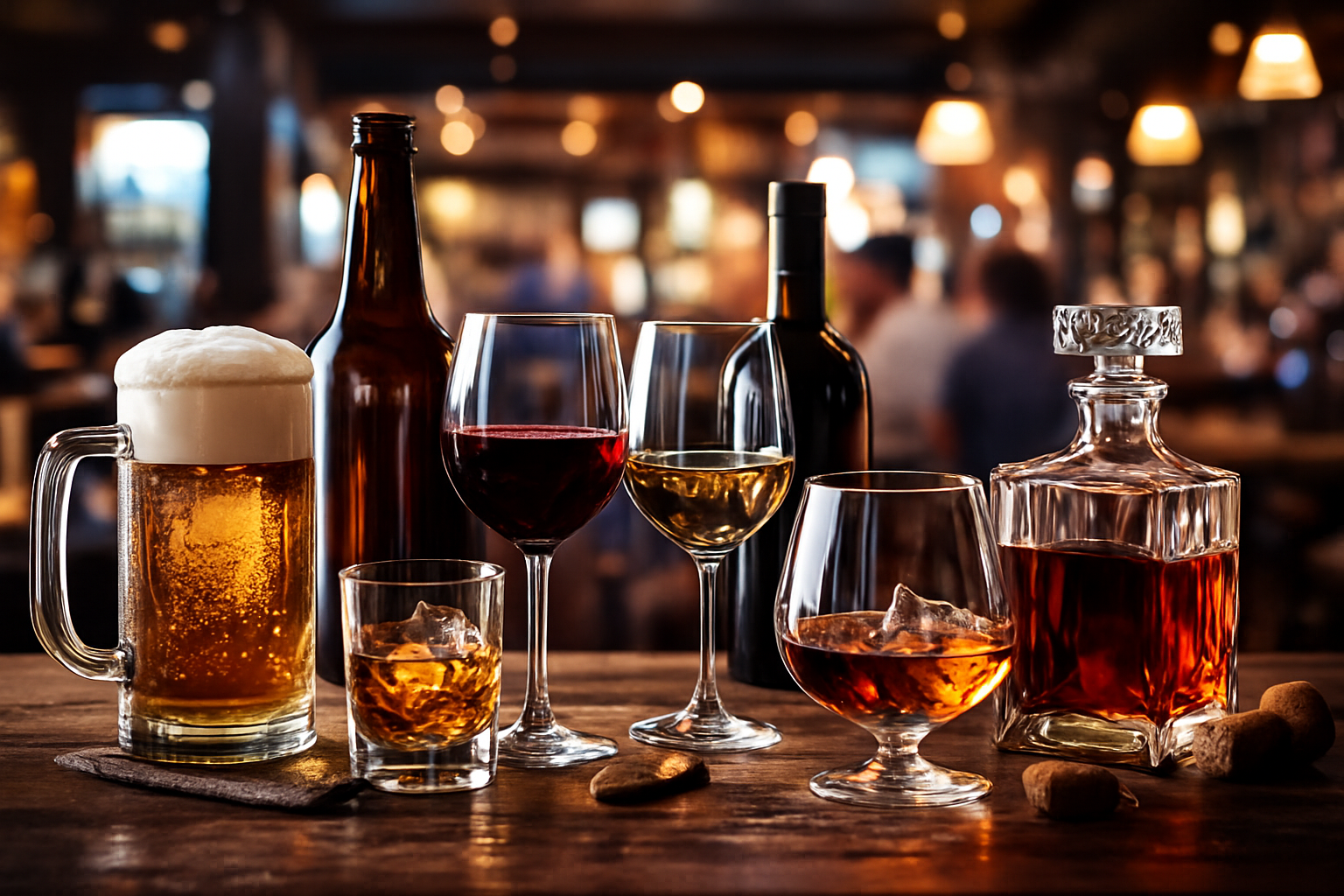
Alcoholic beverages have evolved dramatically over the centuries, with new cocktails, infused spirits, and experimental brewing techniques gaining popularity in recent years. Yet despite this wave of innovation, traditional alcoholic drinks continue to dominate global drinking culture. Whether it is wine shared during celebrations, beer enjoyed in pubs around the world, or spirits rooted in cultural heritage, these time-honored beverages maintain a powerful presence in modern society. Their enduring appeal is influenced by history, tradition, flavor familiarity, and the emotional connections people form with them.
One of the strongest reasons traditional alcoholic drinks remain popular is their deep cultural and historical significance. Beverages such as wine, beer, whiskey, and sake have been part of human civilization for thousands of years. They were not only consumed for pleasure, but also used in religious rituals, medicinal practices, and community gatherings. These drinks often symbolize heritage and continuity, linking generations through shared customs. For example, wine holds profound importance in European culture, while sake is intertwined with Japanese ceremonies and identity. This historic symbolism gives traditional beverages a cultural weight that modern creations cannot easily replicate.
Familiarity and trust also play an important role in maintaining the dominance of classic alcoholic drinks. Consumers often prefer beverages they recognize, especially those with long-standing reputations for quality. Beer and wine, for instance, are universally understood and widely accessible. People know what to expect from a glass of Chardonnay or a bottle of lager, which makes these drinks reliable choices in social settings. Even when new trends emerge—like flavored hard seltzers or botanical gins—many drinkers return to what they know best because traditional beverages deliver consistent, predictable enjoyment.
Another key factor is the emotional connection many people have with traditional alcohol. These drinks are often associated with important moments in life: a glass of champagne to celebrate achievements, a bottle of wine shared at family dinners, or whiskey enjoyed during heartfelt conversations. Such experiences form memories tied closely to familiar beverages, ensuring their presence in future gatherings. This emotional nostalgia reinforces the appeal of classic drinks, making them more meaningful than trendy alternatives that may come and go with time.
Traditional alcoholic beverages also maintain their dominance due to the richness of their flavor profiles. While modern creations often focus on experimentation, traditional beverages have undergone centuries of refinement. Wine offers complex layers of aroma, influenced by grape variety, soil, and climate. Whiskey develops depth through aging in barrels, creating a spectrum of smoky, sweet, or spicy notes. Even beer, one of the oldest alcoholic drinks, comes in countless styles—from malty stouts to crisp pilsners. These nuanced flavor profiles attract enthusiasts who appreciate craftsmanship and depth, ensuring that classic drinks remain central in restaurants, bars, and homes worldwide.
Additionally, traditional alcoholic beverages benefit from global production and distribution networks that have been built over many generations. Massive industries support the cultivation of grapes, brewing of beer, and distillation of spirits, making these drinks available almost everywhere in the world. Brands such as Heineken, Jack Daniel’s, Johnnie Walker, and Moët & Chandon have established international reputations. Their visibility, reliability, and worldwide presence help reinforce traditional alcohol as the backbone of drinking culture, even as modern craft producers emerge.
Another reason traditional drinks continue to lead is their versatility. Spirits like rum, vodka, gin, and tequila serve as the foundation for countless cocktails. A single traditional spirit can be enjoyed neat, on the rocks, or mixed into both classic and modern cocktails. This flexibility ensures their relevance as drinkers explore new flavors. Even as mixologists introduce innovative creations, they still rely on core traditional alcohols as the primary building blocks for their craft.
Social habits also reinforce the dominance of traditional drinks. Beer remains the go-to choice for casual gatherings, sporting events, and pub culture. Wine continues to symbolize elegance and is often linked with fine dining. Whiskey and brandy maintain appeal among connoisseurs who enjoy tasting sessions and discussions about aging and production methods. These social associations are powerful and difficult for newer beverages to replace.
Finally, traditional alcoholic beverages continue to thrive because they strike a balance between heritage and adaptability. While rooted in history, many producers are open to modern techniques, sustainable practices, and flavor innovations. This ability to evolve without losing their core identity helps traditional drinks stay relevant to new generations of drinkers.
traditional alcoholic beverages remain enduring symbols of culture, craftsmanship, and human connection. They are more than drinks—they are experiences shaped by history, emotion, and shared moments. And as global drinking culture continues to evolve, these timeless beverages will undoubtedly continue to play a central and influential role for many generations to come.